


Comprehensive Telecom Solutions
Explore our extensive telecom offerings, including network modernization, fiber planning, cybersecurity, and EV infrastructure, all backed by seasoned industry experts.
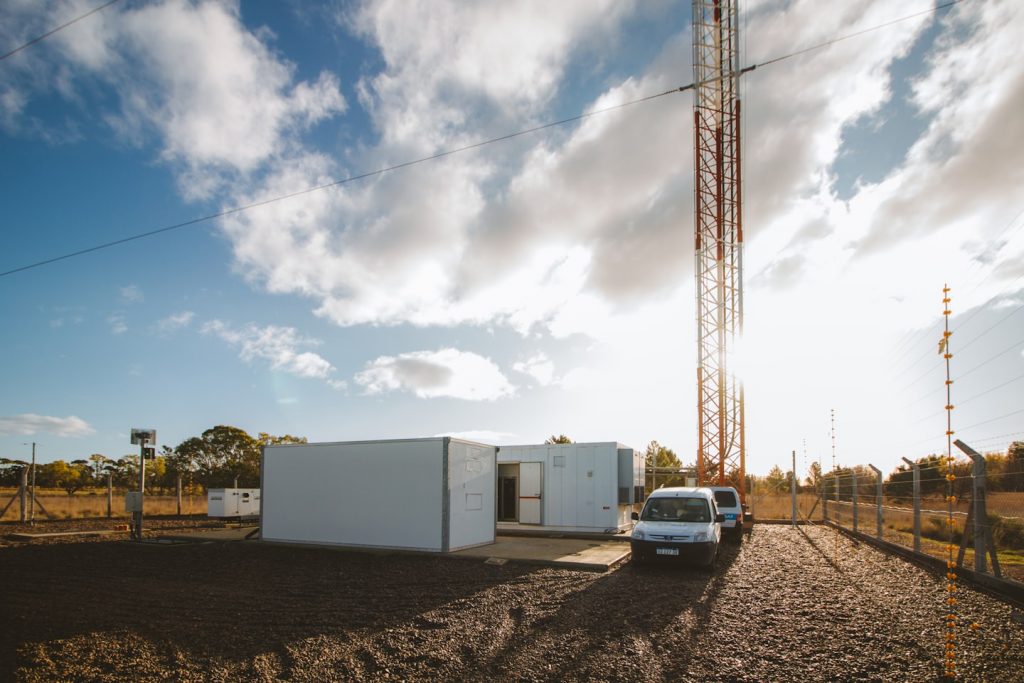
Network Modernization
Upgrade your infrastructure with cutting-edge technology tailored to enhance connectivity and efficiency.
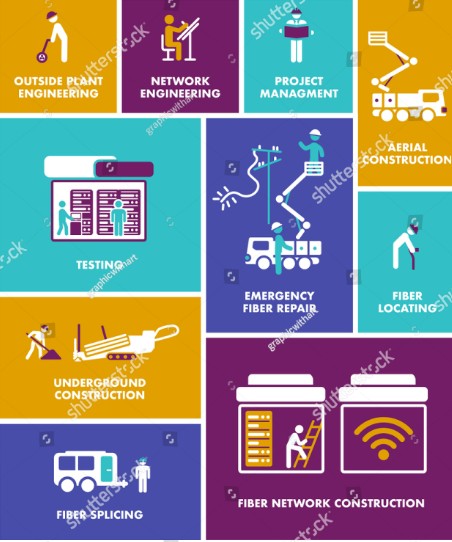
Fiber Engineering and Construction
Strategic design and implementation of fiber-optic networks to meet growing data demands.
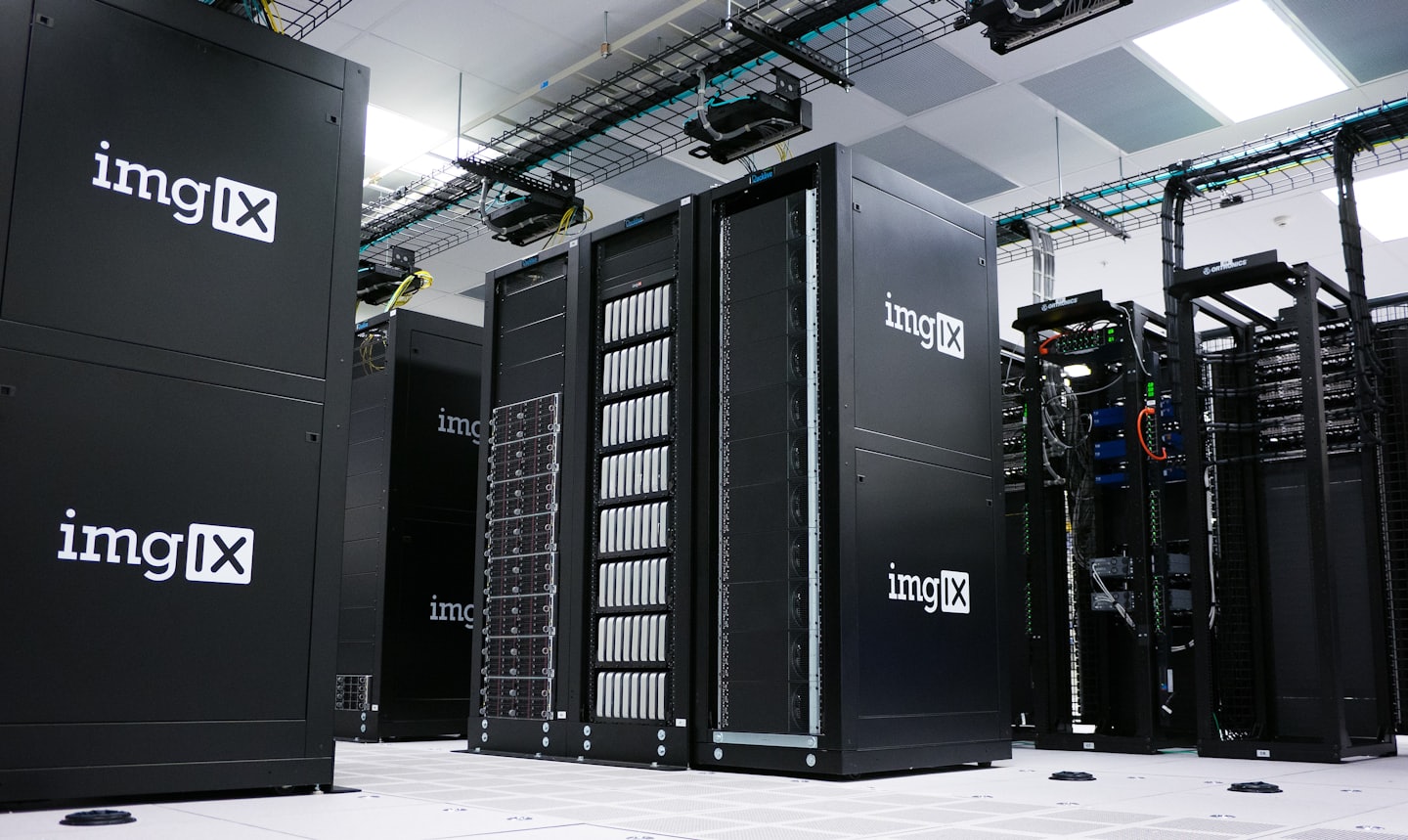
Cybersecurity Management
Protect your telecom assets with robust security solutions designed for today’s threats.
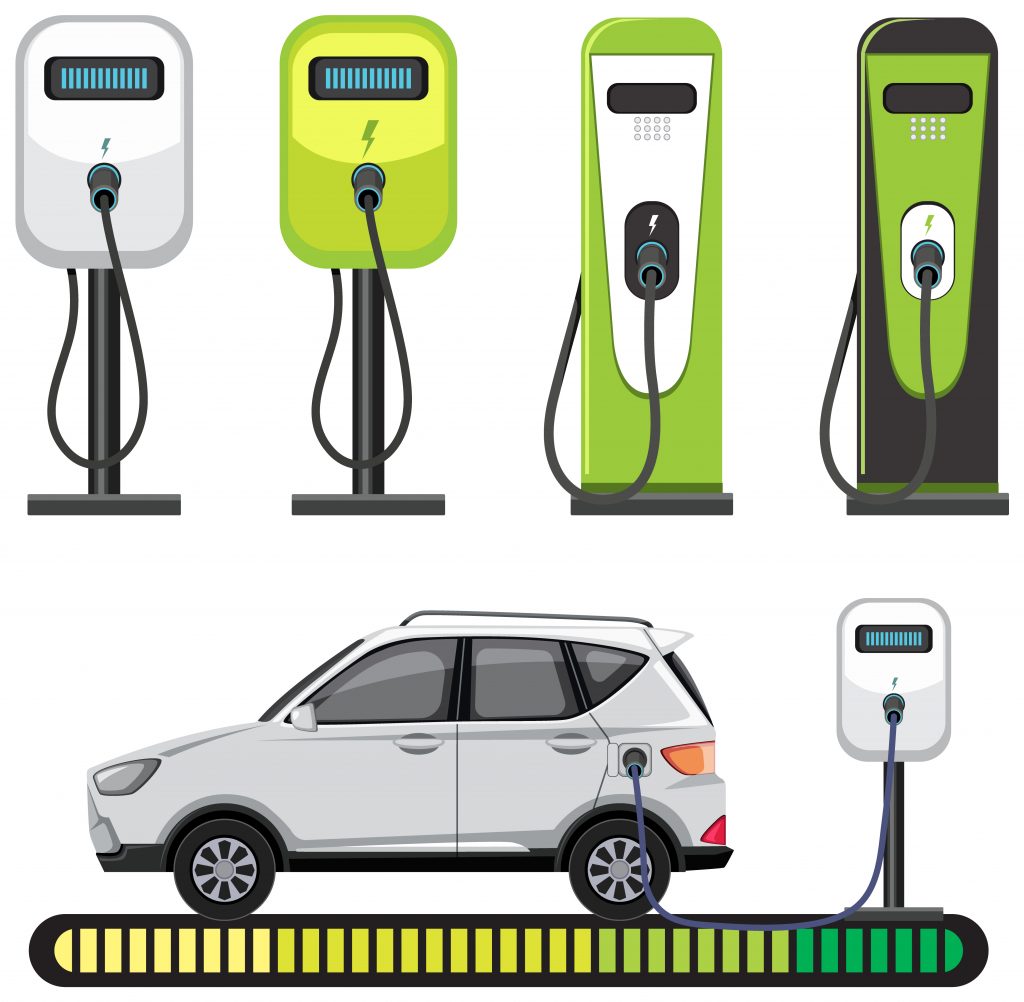
EV Station Development
Innovative planning and deployment of electric vehicle charging stations for sustainable growth.
Our Approach
Discover our clear, stepwise guide designed to help you seamlessly implement and maximize our telecom solutions.


Phase One: Assessment & Planning
We customize our telecom services to meet your unique infrastructure and business goals.

Phase Two: Deployment
Our team executes precise strategies ensuring efficient network upgrades and seamless integration.

Phase Three: Support & Optimization
Ongoing management focused on enhancing performance, security, and future scalability.
Discover Our Telecom Solutions
This section outlines our comprehensive telecom offerings, showcasing network upgrades, fiber planning, cybersecurity, and EV station expertise that set us apart.
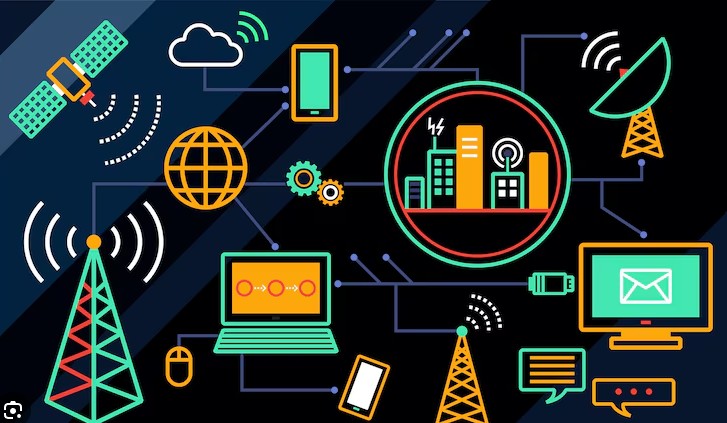
Network Modernization
Revamp your infrastructure with cutting-edge network modernization services for enhanced performance.

Cybersecurity Management
Protect your telecom assets with our robust cybersecurity strategies tailored to industry needs.

EV Station Development
Design and implement efficient EV charging stations integrated with your network infrastructure.
Learning & Process
Discover our comprehensive approach, guiding you through network modernization, fiber planning, cybersecurity, and EV infrastructure deployment.
How a Telecom Provider Modernized Networks Efficiently
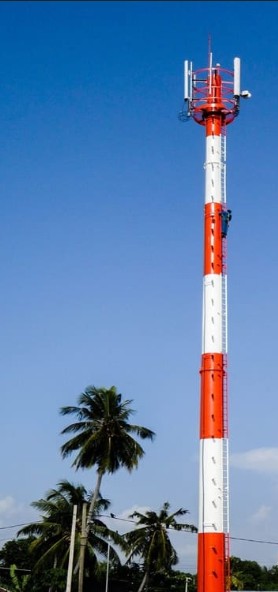
An LTE network modernization process upgrades legacy 4G radio access networks (RAN) and packet cores (EPC) to boost capacity, lower latency, and prepare for 5G. The workflow spans strategic assessment, hardware/software deployment, integration, and performance optimization.
Assessment and Planning
- Audit existing cell sites, backhaul links, and core network functions.
- Define target Key Performance Indicators (KPIs) for coverage and data throughput.
- Build a deployment roadmap and resource allocation plan.
Core and Radio Upgrades
- Swap or update legacy eNodeB baseband units with multi-standard hardware capable of supporting LTE-Advanced and 5G New Radio (NR).
- Modernize software-defined features and virtualize core elements (NFV/SDN) to streamline data routing.
- Re-farm spectrum bands (such as shifting lower bands from 3G/legacy to LTE) to improve propagation.
Integration and Pre-Launch
- Generate scripts and data fills for automated site provisioning.
- Run baseline stress tests, security audits, and interoperability checks.
- Execute staged site rollouts to minimize customer service drops.
Optimization and Monitoring
- Track real-time performance metrics against contractual KPIs.
- Tune antenna tilt, power levels, and hand-over parameters.
Continuously monitor traffic loads via centralized network management tools
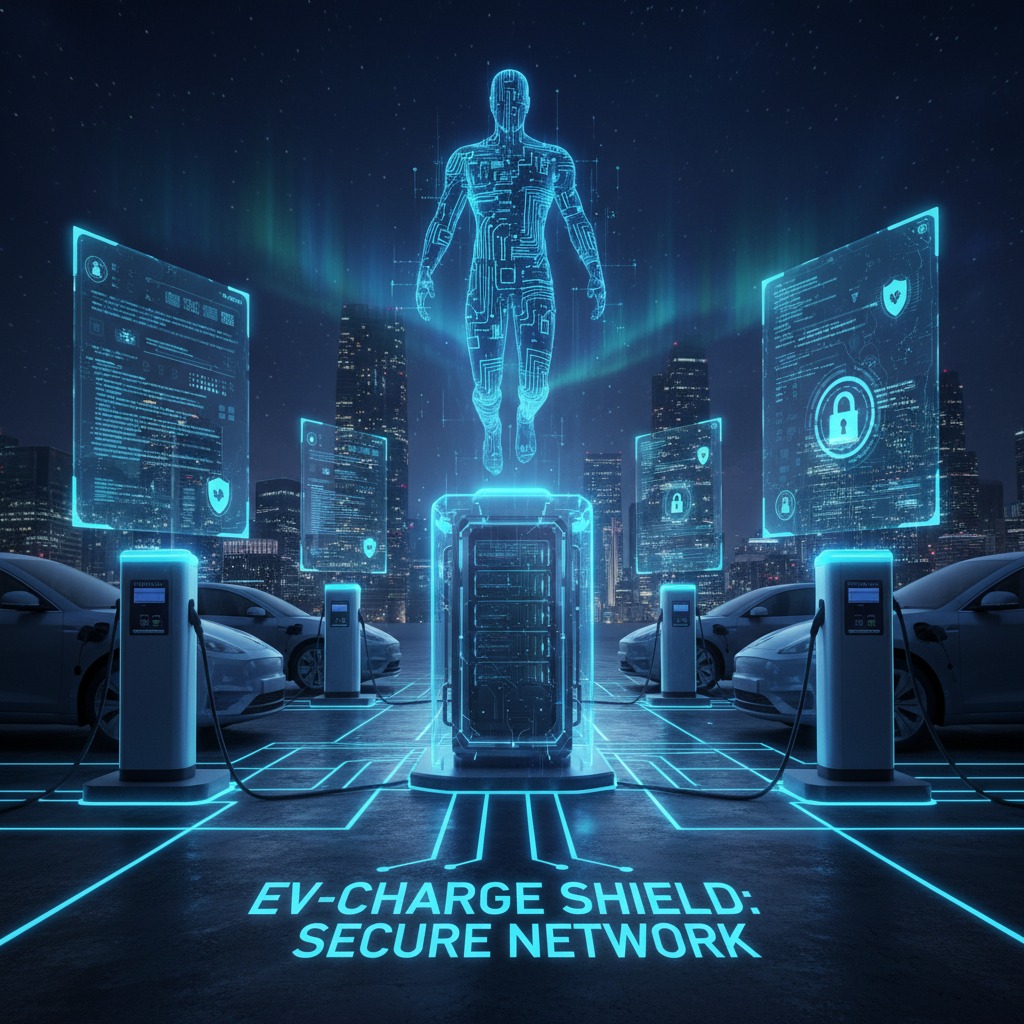
Telecom EV Cyber Security
As the adoption of Electric Vehicles (EVs) accelerates, the integration of telecom networks with EV infrastructure becomes critical. Telecom EV Cyber Security focuses on protecting communication channels, data exchanges, and control systems within the EV ecosystem to ensure safe, reliable, and resilient operations.
Key Areas of Telecom EV Cyber Security:
- Secure Communication Protocols
- Implement encryption for data transmission between EVs, charging stations, and backend systems.
- Use secure protocols such as TLS/SSL to prevent interception or tampering.
- Authentication and Access Control
- Employ multi-factor authentication for access to charging infrastructure and management platforms.
- Define strict access controls to limit system exposure.
- Network Security
- Protect telecom networks connecting EV components from attacks such as DDoS, man-in-the-middle, and intrusion attempts.
- Use firewalls, intrusion detection/prevention systems (IDS/IPS), and network segmentation.
- Data Privacy
- Safeguard user data such as location, charging habits, and payment information.
- Comply with data protection regulations like GDPR.
- Firmware and Software Integrity
- Regularly update and patch EV and charging station software to address vulnerabilities.
- Use secure boot and code signing to verify firmware authenticity.
- Incident Response and Monitoring
- Implement continuous monitoring to detect anomalies or breaches.
- Prepare incident response plans specific to telecom and EV cybersecurity scenarios.
Challenges:
- Heterogeneous Systems: Integrating various manufacturers’ hardware and software increases complexity.
- Real-time Requirements: Cybersecurity measures must not impede the responsiveness of EV charging and communication.
- Evolving Threat Landscape: New vulnerabilities and attack vectors require ongoing vigilance.
Conclusion:
Telecom EV Cyber Security is essential for building trust in EV technologies and ensuring their safe operation. By adopting robust security frameworks and staying proactive, stakeholders can mitigate risks and support the sustainable growth of electric mobility.
Revolutionizing Telecom Infrastructure with Expert Services
Client: A rapidly growing telecommunications provider
Challenge: The client’s existing network infrastructure was aging, causing service disruptions, capacity limitations, rising maintenance costs, and difficulty supporting growing customer demand.
Solution: A telecom infrastructure services provider conducted a comprehensive assessment of the client’s network and developed a modernization strategy. The project included:
- Upgrading critical network infrastructure
- Deploying fiber-optic connectivity and high-capacity equipment
- Optimizing network architecture and performance
- Implementing proactive monitoring and maintenance
- Strengthening network security and reliability
- Providing ongoing technical support and infrastructure management
Result: The modernization program improved network reliability, increased capacity, reduced operational costs, and positioned the telecom provider to scale its services more efficiently.
Business Impact: By combining specialized telecom expertise with strategic infrastructure planning, the client transformed its network from a maintenance challenge into a scalable foundation for future growth
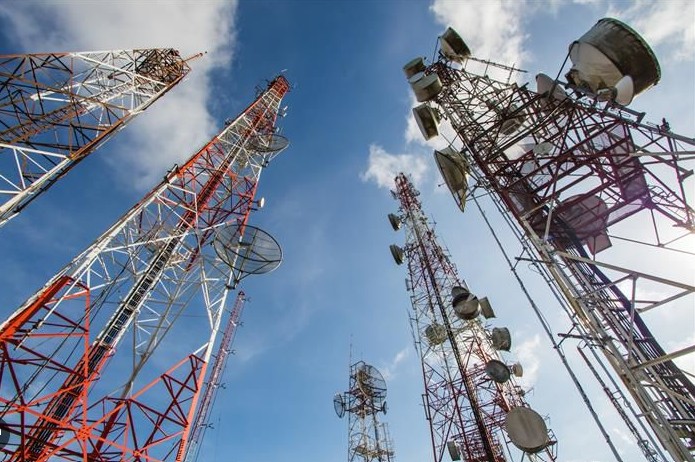
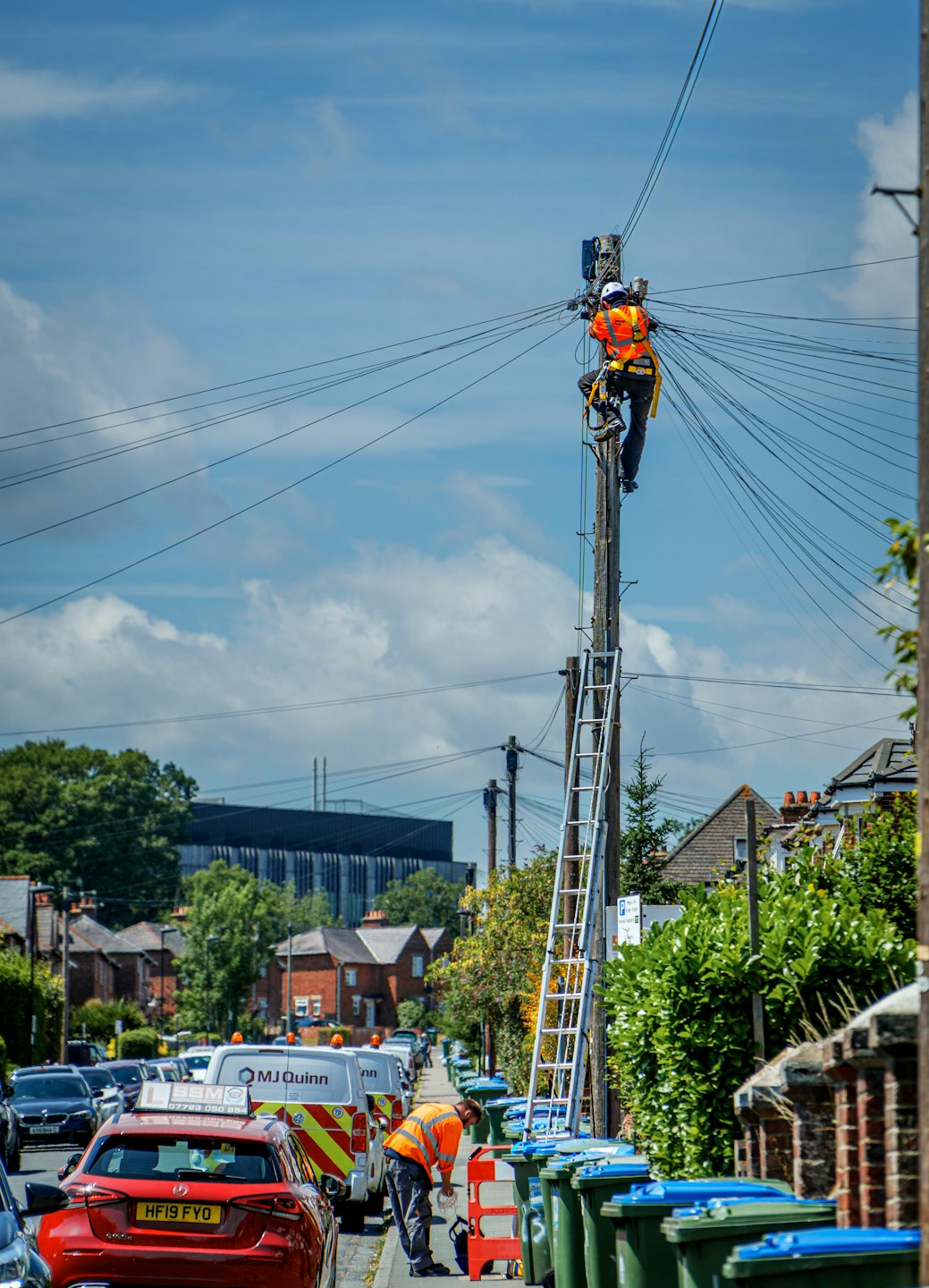
Unlock Advanced Telecom Solutions Today
Discover tailored telecom services that drive innovation and reliability. Connect with our experts to modernize your network, enhance security, and expand infrastructure effortlessly.
Explore Impactful Real-World Scenarios
This section presents practical examples that illustrate how customers successfully utilize our offerings to solve key challenges and drive meaningful improvements.
Fiber Design to Deployment — Building the Connected Future.
The Situation
A telecommunications provider needs to expand high-speed internet service to a rapidly growing suburban area. The existing network has limited capacity, while demand for fiber internet is increasing among residential customers and businesses.
The Challenge
The provider must design and construct approximately 50 miles of fiber-optic network while minimizing construction costs and disruption to residents.
Key challenges include:
- Determining the optimal fiber routes
- Evaluating existing poles, conduits, and underground utilities
- Obtaining required permits and right-of-way approvals
- Designing fiber distribution and access points
- Coordinating aerial and underground construction
- Managing make-ready requirements on utility poles
- Meeting engineering and telecom standards
- Keeping the project within budget and schedule
Fiber Design Approach
The engineering team begins with field surveys and available GIS/utility data. Engineers then develop the network design, including:
Feeder → Fiber Distribution → Splitters → Fiber Distribution Terminals → Customer Drops
The design identifies pole lines, conduit paths, splice locations, handholes, cabinets, and customer service areas. Fiber counts and cable sizes are selected based on current demand while allowing capacity for future growth.
Construction Phase
After design approval and permitting, construction crews begin deployment.
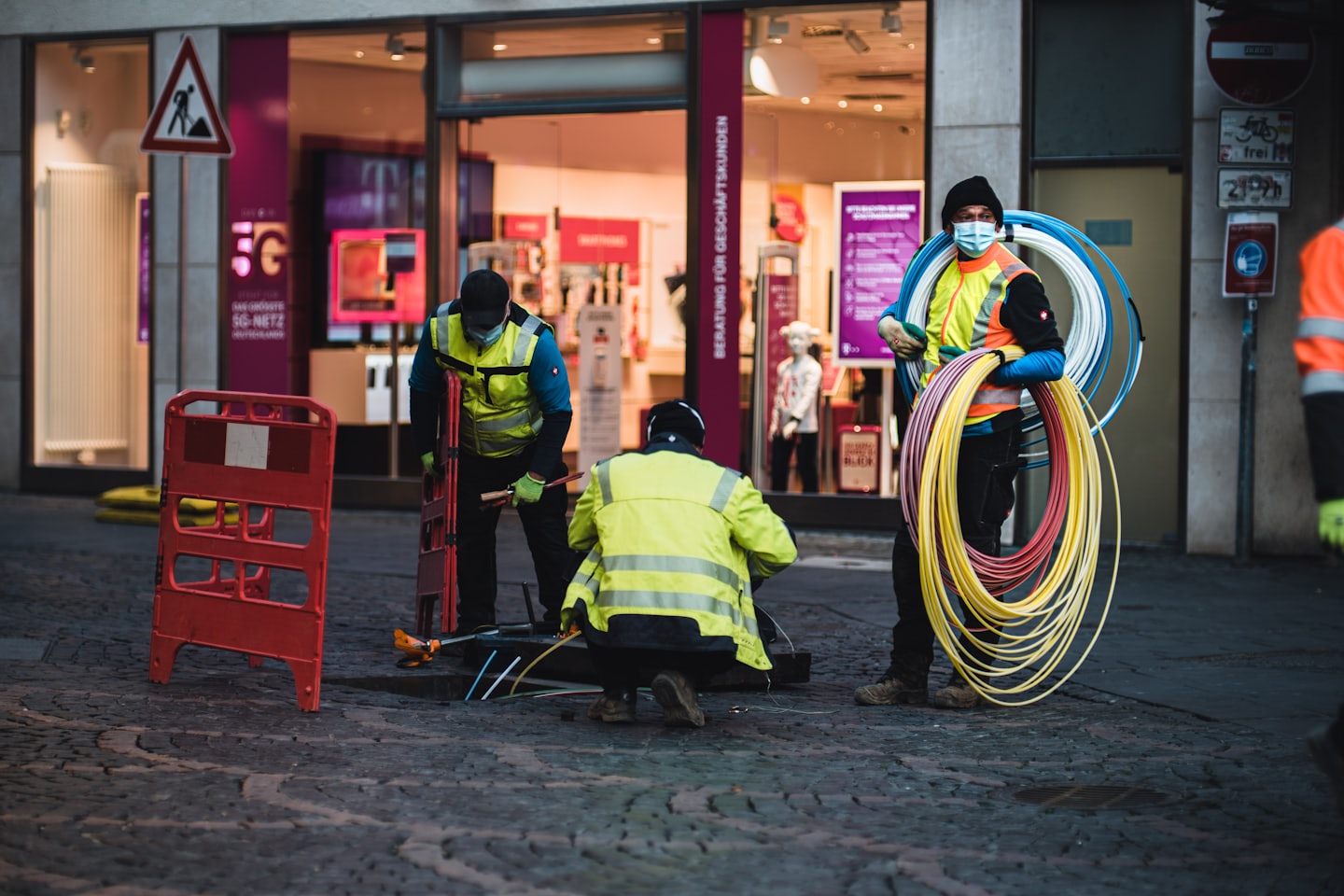
For aerial sections, crews install strand and fiber cable on existing utility poles. Where aerial deployment is not practical, crews use underground methods such as directional boring and conduit installation.
Splicing teams connect fiber segments at designated splice points, while technicians perform testing using tools such as OTDRs and optical power meters.
Example Outcome
The completed network provides fiber connectivity to approximately 2,000 homes and businesses. The operator now has:
- A scalable fiber infrastructure
- Improved network reliability
- Faster customer installations
- Reduced future maintenance requirements
- Additional capacity for future subscribers
- A documented as-built network for ongoing operations
Business Impact
The project demonstrates that successful fiber deployment is more than simply installing cable. Accurate engineering, field validation, permitting, construction management, quality control, and testing must work together to create a reliable and scalable network.
Installing Intelligence. Connecting Networks. Powering the Future
The Situation
A telecom operator is expanding its 5G network to improve coverage and capacity in a high-growth suburban market. New radio sites must be equipped with active telecom equipment and integrated into the operator’s existing network.
The Challenge
The installation team must deploy equipment quickly while maintaining strict safety, engineering, and network-integration requirements.
Key activities include:
- Installing 5G radios, baseband units, and associated active equipment
- Mounting radios and connecting them to antennas
- Installing equipment cabinets and power systems
- Connecting fiber and Ethernet backhaul
- Installing DC power and grounding
- Verifying cable routing and labeling
- Integrating equipment with the existing network
- Performing commissioning and acceptance testing
Installation Process
1. Site Preparation
The team reviews engineering drawings, equipment specifications, site conditions, and safety requirements before beginning installation.
2. Equipment Installation
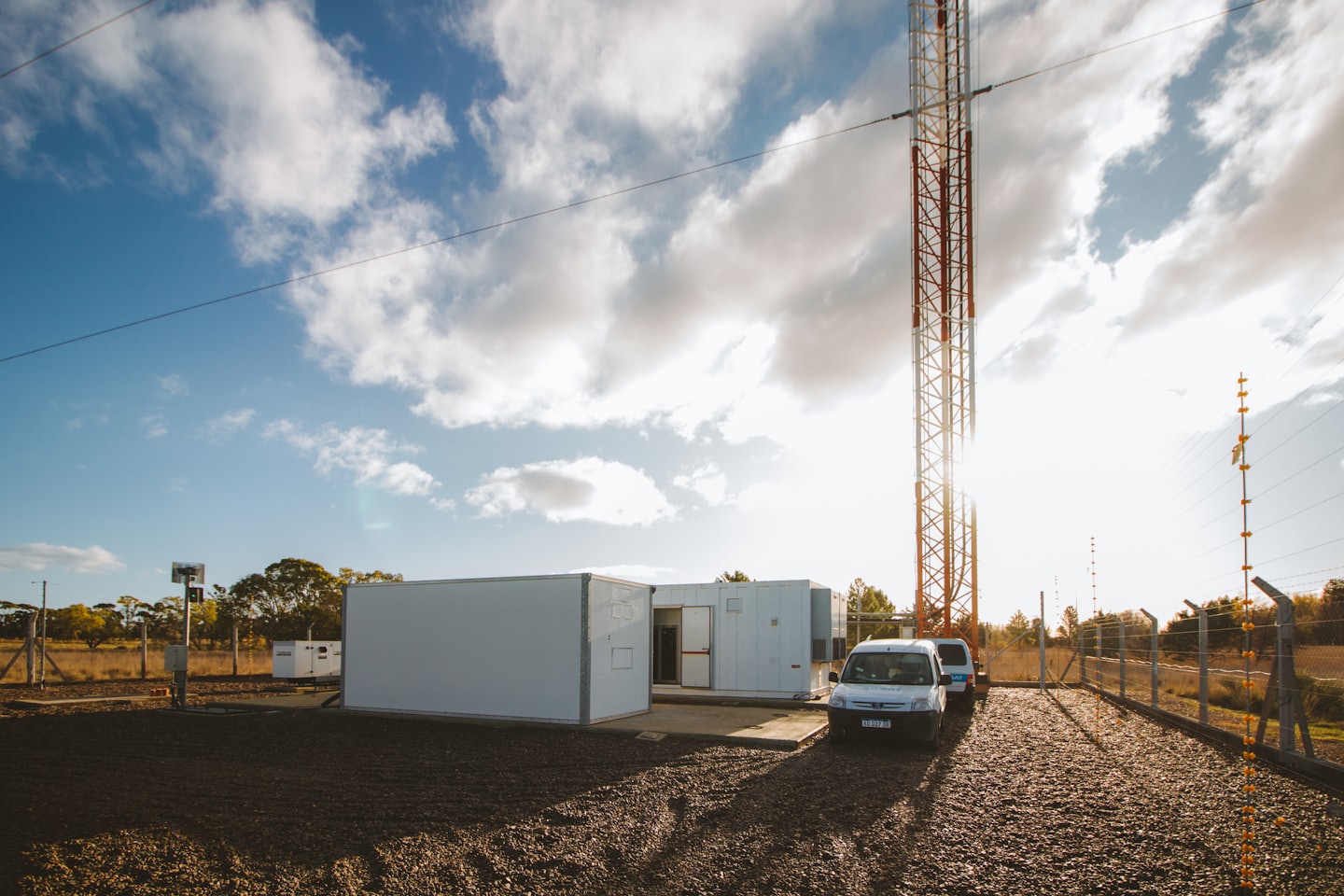
Technicians install the active equipment in the designated rack, cabinet, shelter, or outdoor enclosure. Radios are mounted according to approved structural and manufacturer requirements.
3. Power and Connectivity
Technicians connect DC power, grounding, fiber-optic links, synchronization, and other required interfaces. All connections are labeled and documented.
4. Configuration & Commissioning
After installation, engineers load the appropriate configuration and establish communication between the new equipment and the operator’s core/RAN network.
5. Testing
The team verifies alarms, power levels, optical links, connectivity, synchronization, and radio performance. Any installation defects or alarms are corrected before handover.
6. Final Acceptance
The completed site is inspected, test results are documented, photographs and as-built information are submitted, and the site is released for commercial service.
Example Outcome
The operator successfully activates 20 new 5G sites, increasing network capacity and improving coverage across the target area. Standardized installation and commissioning processes reduce site deployment time and make future maintenance easier.
Business Impact
Effective active equipment installation helps telecom operators launch sites faster, improve network performance, reduce operational issues, and create a reliable foundation for future network expansion.
Designing, Building, and Connecting the Future of EV Charging
Project: Fast-Charging EV Station Deployment Along a Major Highway
The Situation
An EV infrastructure company plans to build a 10-station fast-charging hub near a busy highway to support the growing number of electric vehicles traveling between two metropolitan areas.
The site must support multiple charging points, reliable communications, safe vehicle circulation, and future expansion.
The Challenge
The project team must coordinate site design, electrical engineering, civil construction, utility requirements, telecom connectivity, permitting, and commissioning.
Major challenges include:
- Selecting a site with adequate utility capacity
- Designing vehicle parking and charging layouts
- Determining charger locations and equipment ratings
- Designing electrical distribution and protection
- Planning transformers, switchgear, and distribution panels
- Providing fiber/cellular connectivity for charger management
- Designing drainage, pavement, lighting, and signage
- Obtaining utility approvals and construction permits
- Coordinating construction without disrupting nearby traffic
Design Phase
Engineers begin with a site survey and utility assessment. The design team develops:
Utility Connection → Transformer → Switchgear → Distribution → EV Chargers → Vehicles
The civil design includes parking bays, equipment foundations, cable routing, accessibility requirements, drainage, lighting, and traffic flow.
The electrical design determines the required load, conductor sizes, protection equipment, grounding, and emergency shutoff provisions. Communications infrastructure is incorporated so chargers can communicate with the central charging-management platform.
Construction Phase
After permits and utility approvals are secured, construction begins.
- Site preparation – Clearing, grading, excavation, and preparation of the charging area.
- Civil construction – Installation of foundations, conduits, pavement, drainage, bollards, and signage.
- Electrical construction – Installation of transformer, switchgear, distribution equipment, grounding, and feeders.
- Charger installation – Placement and connection of the EV charging stations.
- Communications installation – Fiber, Ethernet, or cellular connectivity is established for charger monitoring and management.
- Testing & commissioning – Electrical systems, communications, safety systems, and charging functionality are tested before opening to customers.
Outcome
The completed station provides 10 fast-charging ports and is designed with additional electrical and physical capacity for future expansion. Drivers can locate available chargers, initiate charging, and complete payments through the charging network’s platform.
Business Impact
A well-designed EV charging station provides more than charging capacity. It creates a scalable infrastructure platform that combines electrical power, civil engineering, telecommunications, software, and operational management.